



A patient books an acupuncture appointment for headaches following a concussion. During the intake, they also mention dizziness, difficulty reading, disrupted sleep, and feeling overwhelmed by tasks they previously managed with ease. They may have seen several providers, tried multiple therapies, and still struggle to explain why they do not feel like themselves.
For acupuncturists, these presentations raise important clinical questions. How do we organize the information? Which symptoms warrant further assessment? Where might acupuncture fit within a broader treatment plan, and when should we recommend another specialist?
My book The Concussion Breakthrough: Discover the Missing Pieces to Recovery, second edition, provides a framework for approaching those questions. I organized the book around three steps:
- Categorize symptoms in a meaningful way
- Understand relevant testing and the relationships between symptoms
- Available treatment options
For practitioners working with concussion patients, this structure offers a way to move from a complicated history toward more focused clinical conversations.
Step One: Organize the Patient’s Symptoms
A concussion intake can cover a great deal of ground. Patients may move between their injury history, current symptoms, previous treatments, and the effects on their work and relationships. Cognitive fatigue and memory difficulties can make that story harder to organize.
Chapter 1, The Secret to Better Care, introduces a framework for identifying patterns within that information. The book then explores nine categories, named here as they appear in the Concussion Impact Tracker:
- Post-traumatic Headaches — Chapter 2. This chapter examines headache qualities, locations, triggers, and possible contributing mechanisms, helping practitioners move beyond documenting “headache” as a single complaint.
- Traumatic Neck Injuries — Chapter 3. Neck pain, upper back tension, and altered neck function are considered alongside their potential relationships with headaches, dizziness, and balance.
- Autonomic Dysregulation — Chapter 4. Also called dysautonomia, this category explores symptoms involving functions such as heart rate, blood pressure, temperature regulation, and digestion, including difficulty tolerating upright posture or exercise.
- Cognitive Dysfunction — Chapter 5. Attention, memory, planning, organization, decision-making, and other executive functions receive attention, providing more specific language for complaints often summarized as “brain fog.”
- Balance and Vestibular Dysfunction — Chapter 6. The chapter distinguishes experiences such as dizziness, spinning, swaying, and disequilibrium, and explores assessments relevant to those presentations.
- Visual and Oculomotor Dysfunction — Chapter 7. This category addresses visual function and how the eyes move and work together, including difficulties with reading, focusing, eye strain, and light sensitivity.
- Changes in Mood — Chapter 8. Anxiety, depression, irritability, and emotional regulation are explored within the broader context of concussion and its effects on daily life.
- Disordered Sleep — Chapter 9. The discussion extends from difficulty falling or staying asleep to sleep architecture, circadian regulation, and sleep-disordered breathing.
- Brain Inflammation — Chapter 10. This chapter examines neuroinflammation, its possible relationships with persistent symptoms, and research into underlying biological processes.
These categories help organize clinical inquiry. They also invite practitioners to consider how several areas of dysfunction may contribute to one patient’s presentation.
Using the Concussion Impact Tracker in Practice
The Concussion Impact Tracker, introduced in Chapter 1, gives patients a structured way to report symptoms across all nine categories. Each symptom is rated from 0 to 6, with ratings totaled within each section.
For the acupuncturist, this provides an organized starting point for discussion. It can highlight concerns that might receive little attention during an appointment focused primarily on pain, and it establishes a baseline for following reported symptom severity over time.
The tracker also helps practitioners and patients identify which chapters are most relevant to their questions. Someone with prominent dizziness and reading intolerance may benefit from exploring different sections than someone whose main concerns are headaches, neck pain, and disrupted sleep.
Its value lies in organizing the history and directing further inquiry. Scores should be interpreted alongside clinical assessment rather than treated as confirmation of an underlying diagnosis. When a patient fills out the tracker, it automatically calculates their score and emails them a copy that they can forward or bring to you. You will be able to see how they answered each question.
Step Two: Understand Testing and Symptom Relationships
Once symptoms are organized, the next step is to consider what has been assessed—and what may still need investigation.
The book introduces evaluations related to each category, including neck assessments, autonomic testing, neurocognitive testing, balance and vestibular assessments, comprehensive vision evaluations, and sleep studies when indicated. It discusses examples such as the Buffalo Concussion Treadmill Test, active stand and tilt-table testing, and assessments of eye movements.
Acupuncturists do not need to perform every assessment to benefit from understanding its purpose. Familiarity with these evaluations can support more focused referrals and clearer communication with other members of a patient’s care team.
The relationships between symptoms are equally central. The manuscript explores connections between neck dysfunction and headaches, visual and vestibular function, autonomic symptoms and anxiety, and sleep and cognitive difficulties.
In practice, this encourages more precise questions. When a patient reports dizziness, do they mean lightheadedness upon standing, spinning when rolling over, or discomfort in visually busy environments? Those distinctions can help guide the next clinical conversation.
Step Three: Place Treatment Options in Context
The third step explores treatments in relation to the findings and needs of the individual patient.
The book emphasizes non-pharmaceutical approaches, discussing acupuncture alongside physical therapy, vestibular rehabilitation, vision therapy, graded exercise, cognitive rehabilitation, and approaches to sleep and mental health. Emerging therapies and technologies are also examined.
For acupuncturists, this broader perspective supports thoughtful integration of our work into a coordinated plan. It prompts useful questions: What is the intended treatment target? How will progress be assessed? Are there symptoms that require additional expertise?
The recurring message is individualized care, with treatment choices informed by the patient’s presentation and assessment.
Chapter 11: Supporting Patients Beyond the Treatment Room
Chapter 11, Tips for Success, addresses the practical work of navigating care. Topics include documenting injury history, organizing test results, maintaining medication and supplement lists, preparing questions, understanding financial considerations, and setting expectations for recovery.
Acupuncturists can reinforce these habits by encouraging concise symptom records, asking for feedback about treatment responses, and helping patients prepare questions for other providers.
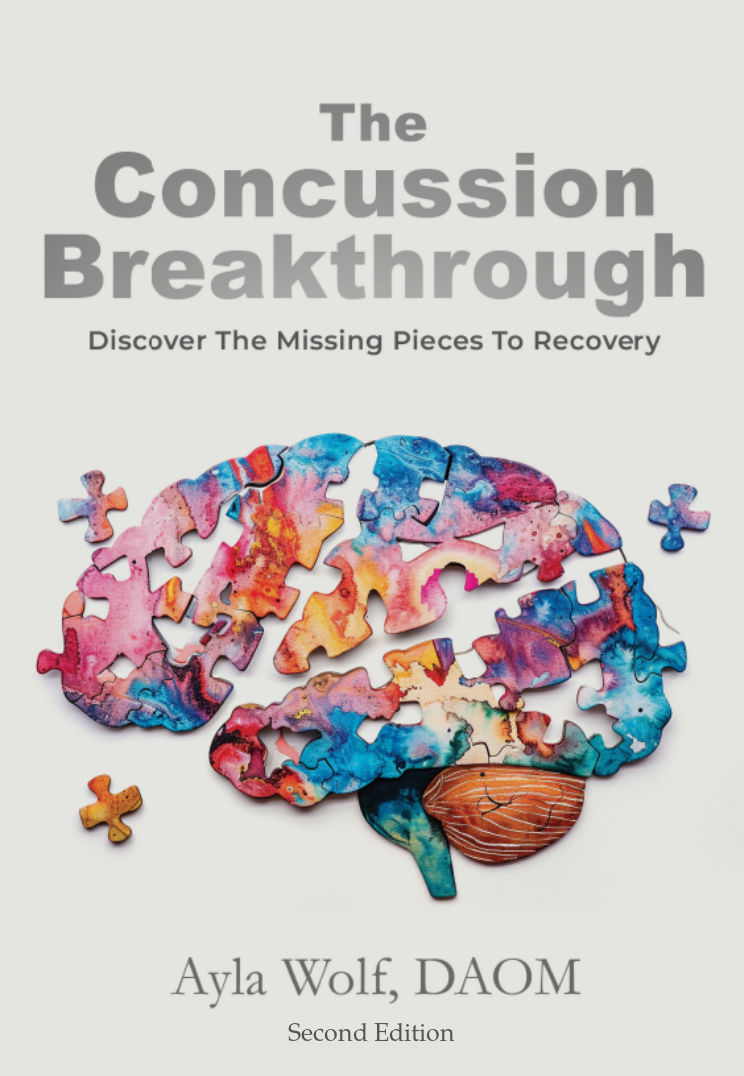
Ultimately, The Concussion Breakthrough offers practitioners a structured resource for understanding complex presentations. Its three-step roadmap can help acupuncturists organize what they hear, recognize questions that need further investigation, and participate more effectively in individualized concussion care. The book is big, but it was not meant to be read cover-to-cover, but rather, serve as a troubleshooting guide and reference.
Back to blog